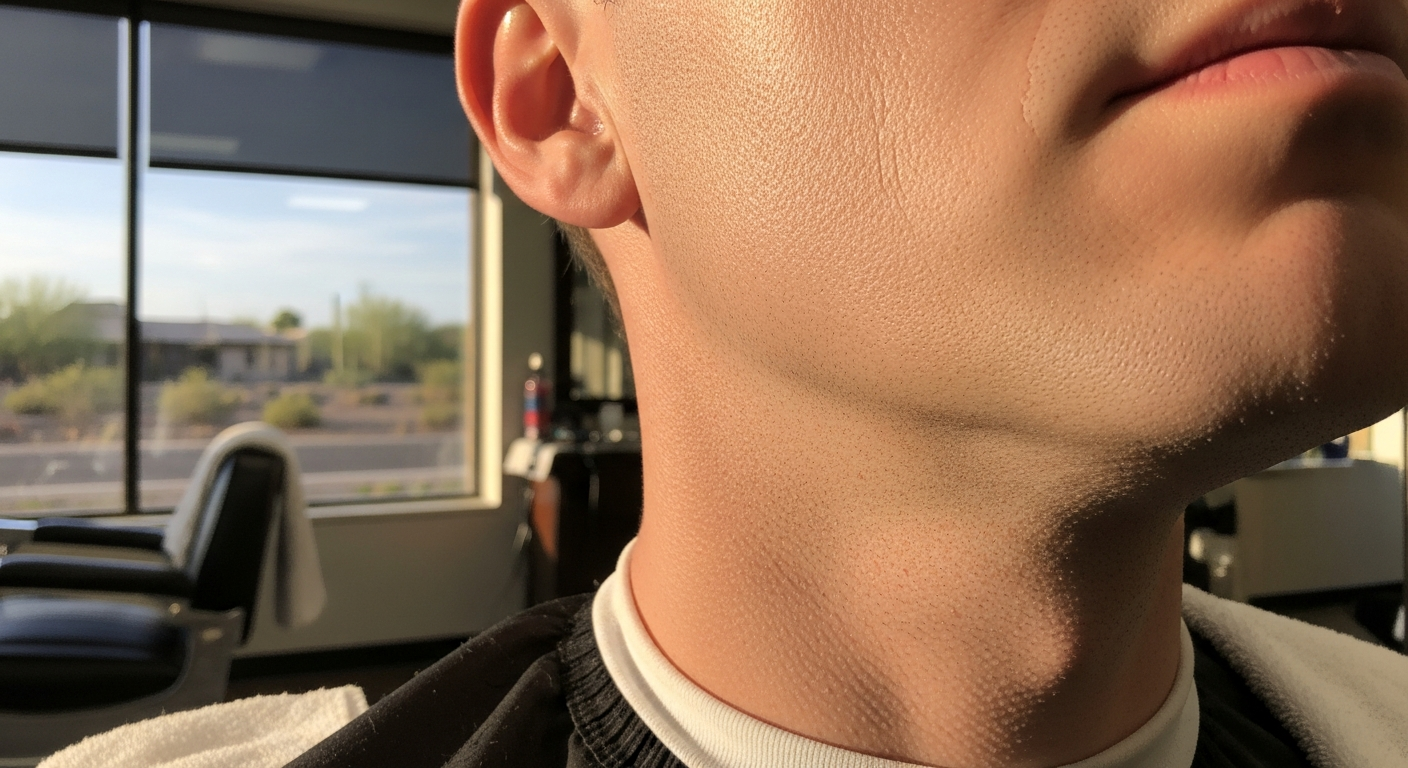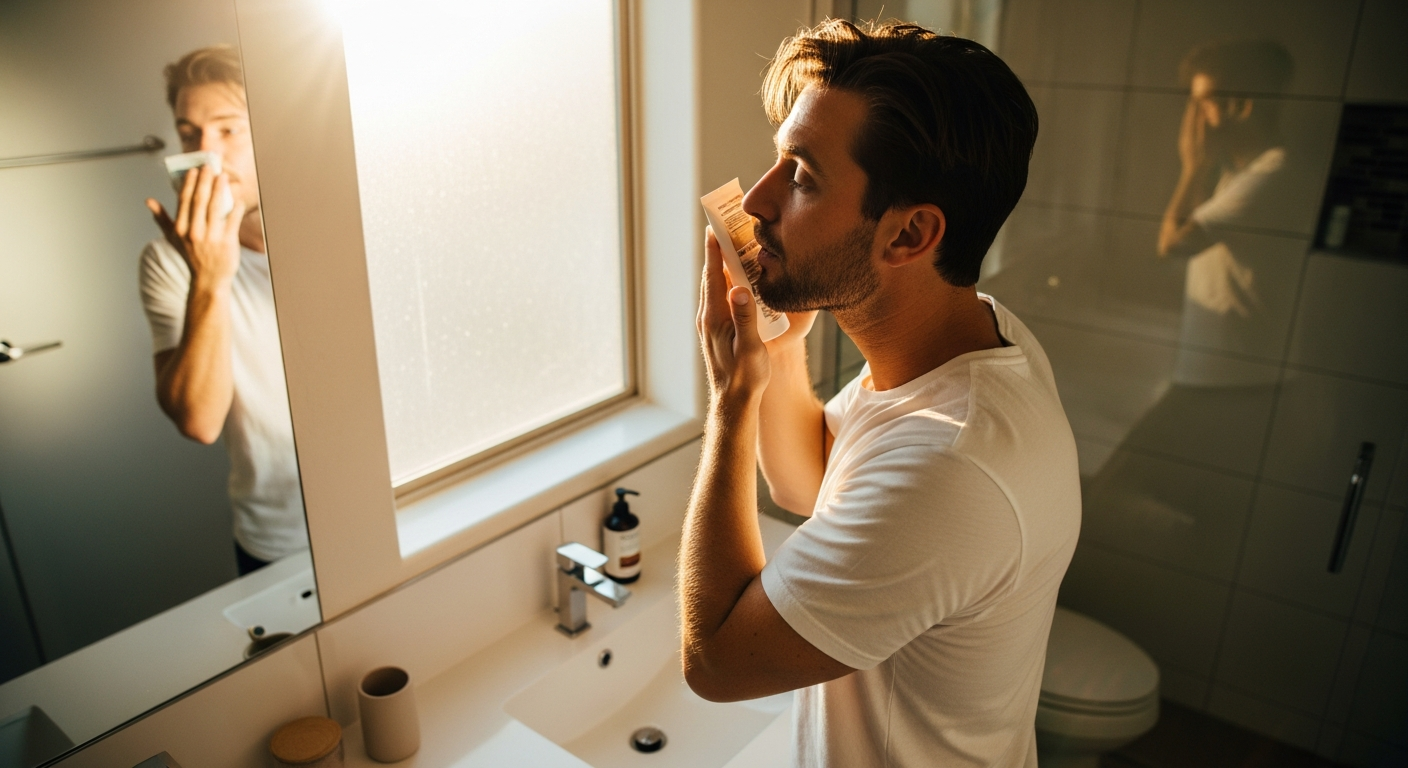
Beard oil is not the only option. Here is why a lightweight conditioner might be the better choice for softer, healthier facial hair.
If your beard feels rough, scratchy, or wiry, the default advice is always the same: use beard oil. And for years, that was the only real option. But beard oil is not perfect. It is greasy. It sits on the surface. It can clog the pores underneath your facial hair. And most people find themselves applying too much or too little, never quite getting the balance right.
There is a better approach. A lightweight, water-based conditioner with antibacterial properties can soften your beard more effectively, protect the skin underneath, and skip the greasy residue entirely.
Why Your Beard Feels Rough
Beard hair is structurally different from the hair on your head. It is thicker, coarser, and has a more angular cross-section. This is why even people with silky-smooth head hair can have a beard that feels like steel wool. The coarseness is natural, but dryness makes it dramatically worse.
When beard hair lacks moisture, the outer cuticle layer lifts and becomes rough. This is what creates that scratchy, prickly feel that irritates both you and anyone who gets close to your face. The hair itself is not the problem. The dryness is.
The skin underneath your beard is equally important. Trapped dead skin cells, bacterial buildup, and lack of moisture create the itchiness and flaking commonly called "beardruff." Any effective beard care needs to address both the hair and the skin.
The Problem With Beard Oil
Beard oil works by coating the hair in a layer of oil (usually jojoba, argan, or a blend) to make it feel smoother. But coating is not the same as conditioning. The oil sits on the outside of the hair shaft rather than penetrating it. It provides temporary smoothness that washes away quickly and needs constant reapplication.
The bigger issue is what beard oil does to the skin underneath. Oil-based products can trap dead skin cells and bacteria against the skin's surface, especially in the dense environment underneath a full beard where airflow is limited. This contributes to clogged pores, breakouts along the jawline, and the itchiness that many beard growers struggle with.
And then there is the feel. Most beard oils leave a noticeable greasy residue. Touch your beard and your hands are oily. Lean on a pillow and you leave a mark. For people who want their beard to look and feel clean, not shiny, oil is a compromise.
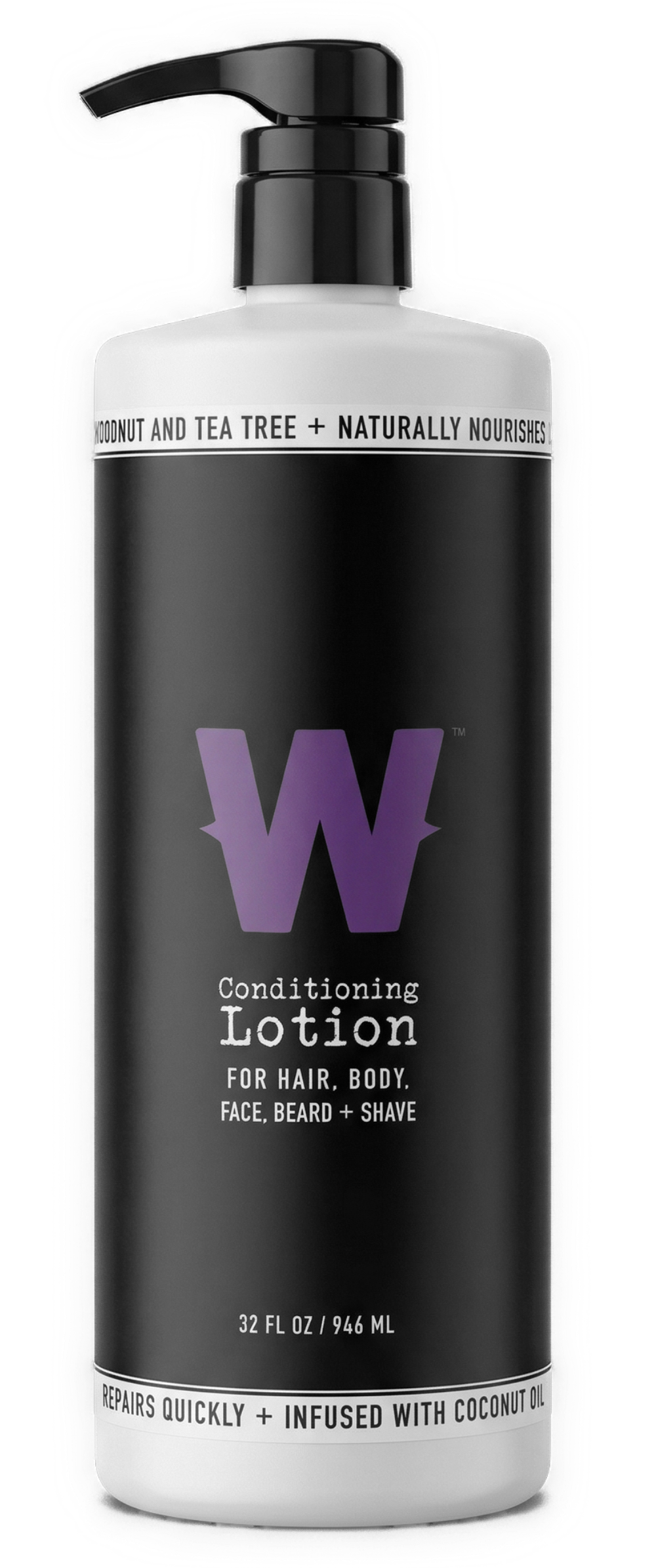
Hair, body, face, beard, and shave. One bottle replaces them all.
A Better Approach: Lightweight Conditioning
What your beard actually needs is a product that can penetrate the hair shaft to deliver moisture from the inside, not just coat the outside. A water-based conditioner with coconut oil achieves this. Coconut oil is one of the few oils with a molecular weight small enough to enter the hair's internal structure, where it binds with the protein and provides lasting softness.
The water base ensures fast absorption without residue. Apply it, work it through, and it disappears. Your beard feels softer, but it does not look or feel greasy. Touch it and your hands stay clean.
The Antibacterial Advantage
Here is where the right conditioner pulls ahead of beard oil. Tea tree leaf oil has natural antibacterial, antiviral, and antifungal properties. When included in a beard conditioner, it actively fights the bacterial buildup that causes itchiness, beardruff, and breakouts.
Beard oil, by contrast, is just oil. It does not fight bacteria. In some cases, by trapping dead skin and bacteria against the surface, it can make the problem worse. A conditioner with tea tree oil does the opposite. It conditions the hair while cleaning up the environment underneath.
How to Condition Your Beard
The application process is simple. Pump a small amount into your palms. Rub your hands together. Work the product through your beard from the roots outward, making sure to massage it into the skin underneath. This is the step most people skip, and it is the most important one.
Use a beard comb or brush to distribute the product evenly and shape your beard. The combing action also gently exfoliates the skin underneath, helping prevent trapped dead skin cells.
Apply once daily, ideally after showering when your beard is slightly damp. The warm water opens the hair cuticle and the skin's pores, allowing the product to absorb more effectively.
Works for Every Length
Whether you have a full lumberjack beard or three-day stubble, a water-based conditioner adapts to the length. For stubble, it doubles as a face moisturizer for the skin around and under the growth. For medium beards, it softens the hair and prevents the scratchy phase that makes many people give up growing. For full beards, it provides the deep conditioning that keeps facial hair manageable and healthy.
The professionals at MUG salons condition every client's beard with the same approach. No beard oil. No wax. Just a lightweight conditioner that softens, protects, and absorbs completely. The results speak for themselves.
Frequently Asked Questions
Get Grooming Tips Delivered.
No spam. Just useful stuff.