Healthy hair starts at the scalp. Here is what actually causes flakes, itch, and thinning, and what to do about each one.
If your hair feels dry no matter what conditioner you use, the problem is probably not your hair. It is your scalp. The scalp is skin, and like any other skin on your body, it has a barrier that can be compromised, oil glands that can over or under produce, and a microbiome that can be thrown out of balance.
The Scalp Is Skin
Treating the scalp like a separate organ from the rest of your skin is the first mistake. The same things that dry out the skin on your forearms also dry out your scalp. Hot water, harsh surfactants in shampoo, and low humidity all strip the protective oils that keep the scalp healthy.
Once that protective layer is compromised, you get flakes that are not actually dandruff, itching that is not an allergy, and hair that breaks more easily because the follicles are sitting in a stressed environment.
Flakes Versus Dandruff
Most flakes are not dandruff. True dandruff is caused by a yeast called Malassezia, and it produces yellow, greasy flakes. Dry flakes that come off when you scratch are usually just dry skin. The treatments are completely different.
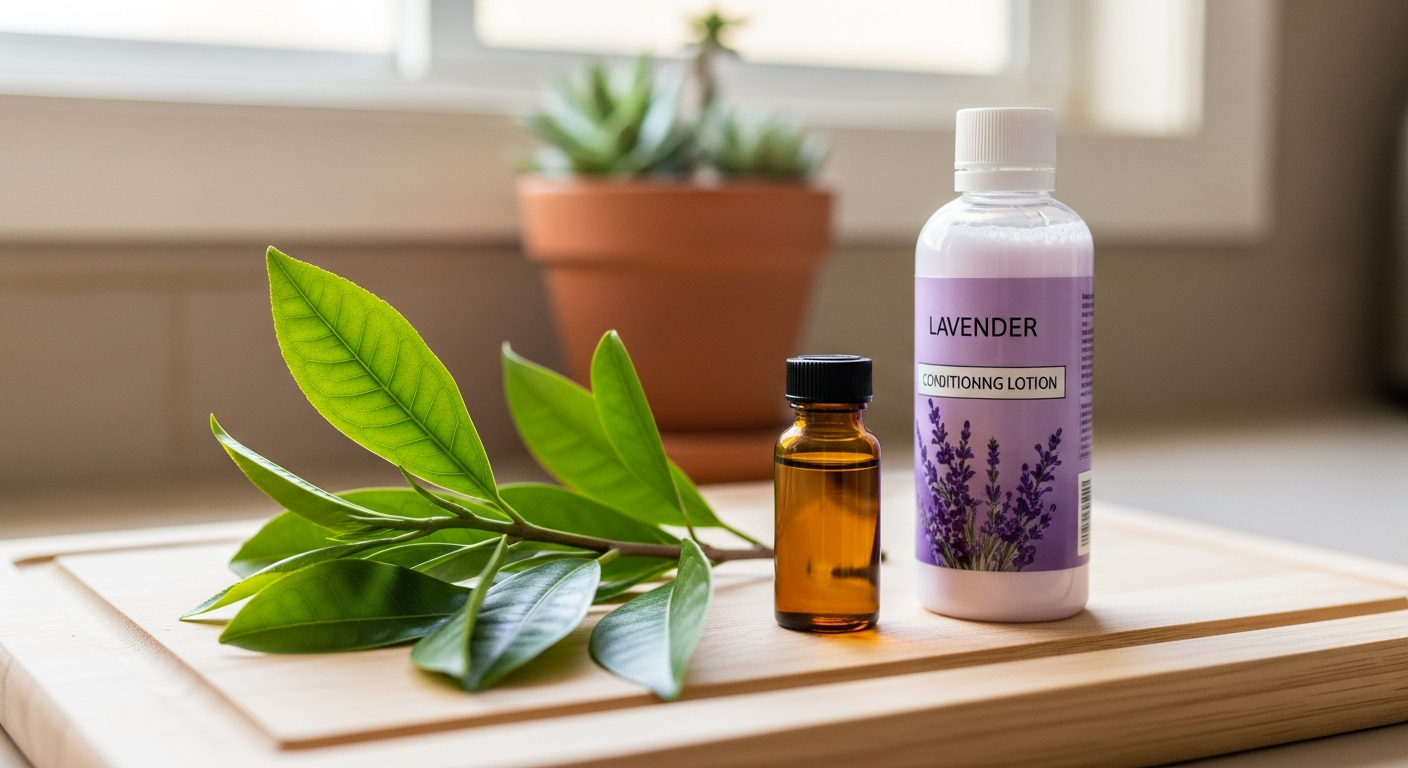
For dry flakes, you need moisture and a gentler cleansing approach. For actual dandruff, you need an antifungal like zinc pyrithione or, naturally, tea tree oil. A conditioning lotion with tea tree oil addresses both because it moisturizes the skin while the antimicrobial properties handle Malassezia.
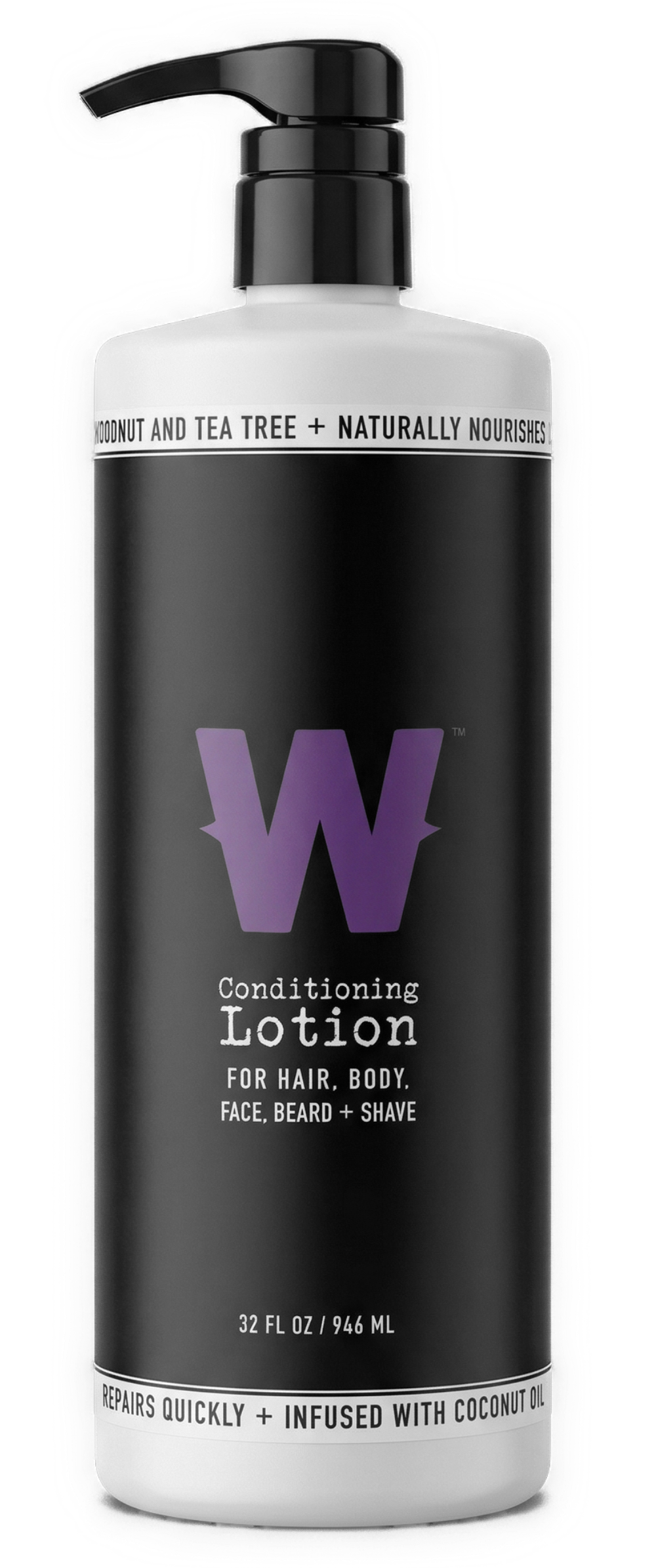
Hair, body, face, beard, and shave. One bottle replaces them all.
Why Itching Happens
Scalp itch is almost always one of three things. Dryness, irritation from product buildup, or a fungal imbalance. Switching shampoos every few weeks can help diagnose which one you are dealing with. If the itch goes away when you simplify your routine, product buildup was the cause.
If the itch persists no matter what you do, fungal imbalance is likely. This is where tea tree oil earns its reputation. It does not kill all the Malassezia on your scalp, which would actually be bad. It restores the balance so your scalp microbiome can self-regulate.
How to Wash Your Hair Correctly
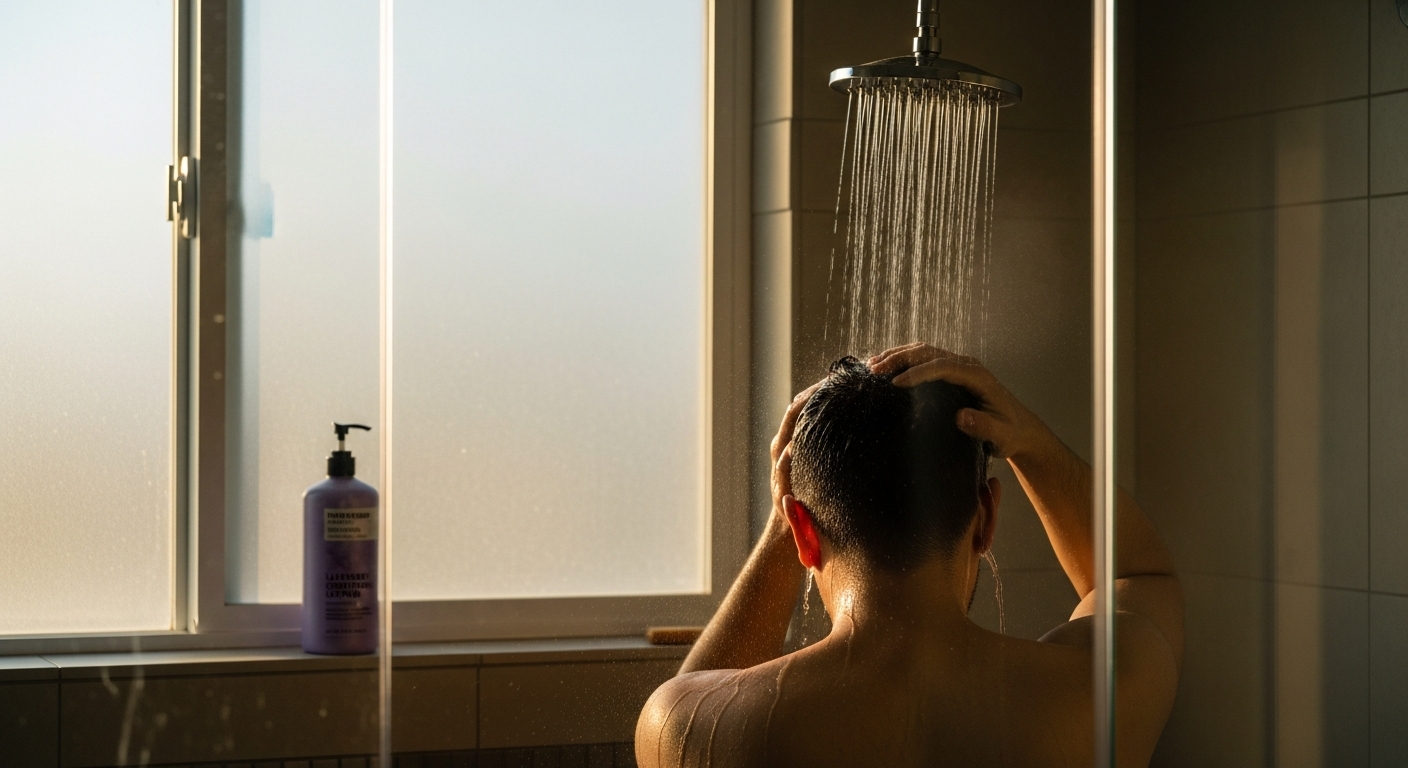
Use lukewarm water, not hot. Hot water strips oil and dries the scalp aggressively. Massage shampoo into the scalp with your fingertips, not your nails. Rinse thoroughly because shampoo residue is one of the most common causes of itch and flaking.
After shampooing, apply a conditioning lotion to the scalp specifically, not just the hair. Most men condition their hair and forget the skin underneath. Massage a small amount into the scalp with your fingertips, then work the rest through your hair.
How Often to Wash
There is no universal answer, but daily washing strips the scalp for most men. Two to four times per week is the sweet spot for most hair types. On non-wash days, applying a small amount of conditioning lotion to dry hair refreshes the look without disturbing the scalp's natural oil production.
What the MUG Stylists Recommend
Barbetologists at MUG see hundreds of scalps each week. The single most common piece of advice they give clients is to wash less and condition more, applying conditioning lotion directly to the scalp rather than only to the hair. The Barbetology® approach treats the scalp as the foundation of every haircut, not an afterthought.
When Thinning Is the Issue
If you are noticing thinning, scalp health matters more, not less. A stressed, inflamed scalp is a worse environment for hair follicles. Keeping the scalp clean, balanced, and moisturized supports the follicles you have and may slow further loss.
Conditioning lotion is not a hair growth treatment, and any product that claims to be one without FDA approval is overpromising. What it does is create a healthier environment for your existing follicles to do their job.
Frequently Asked Questions
Get Grooming Tips Delivered.
No spam. Just useful stuff.