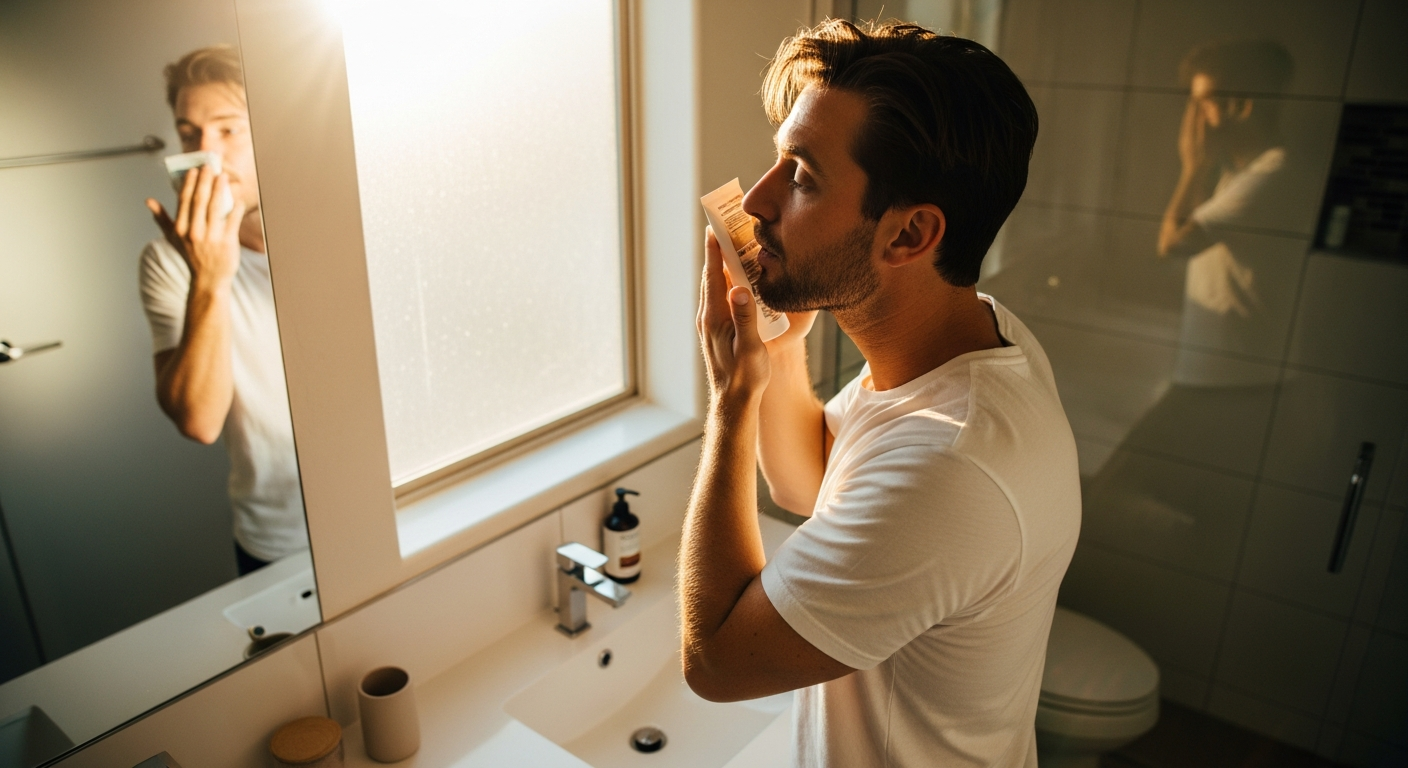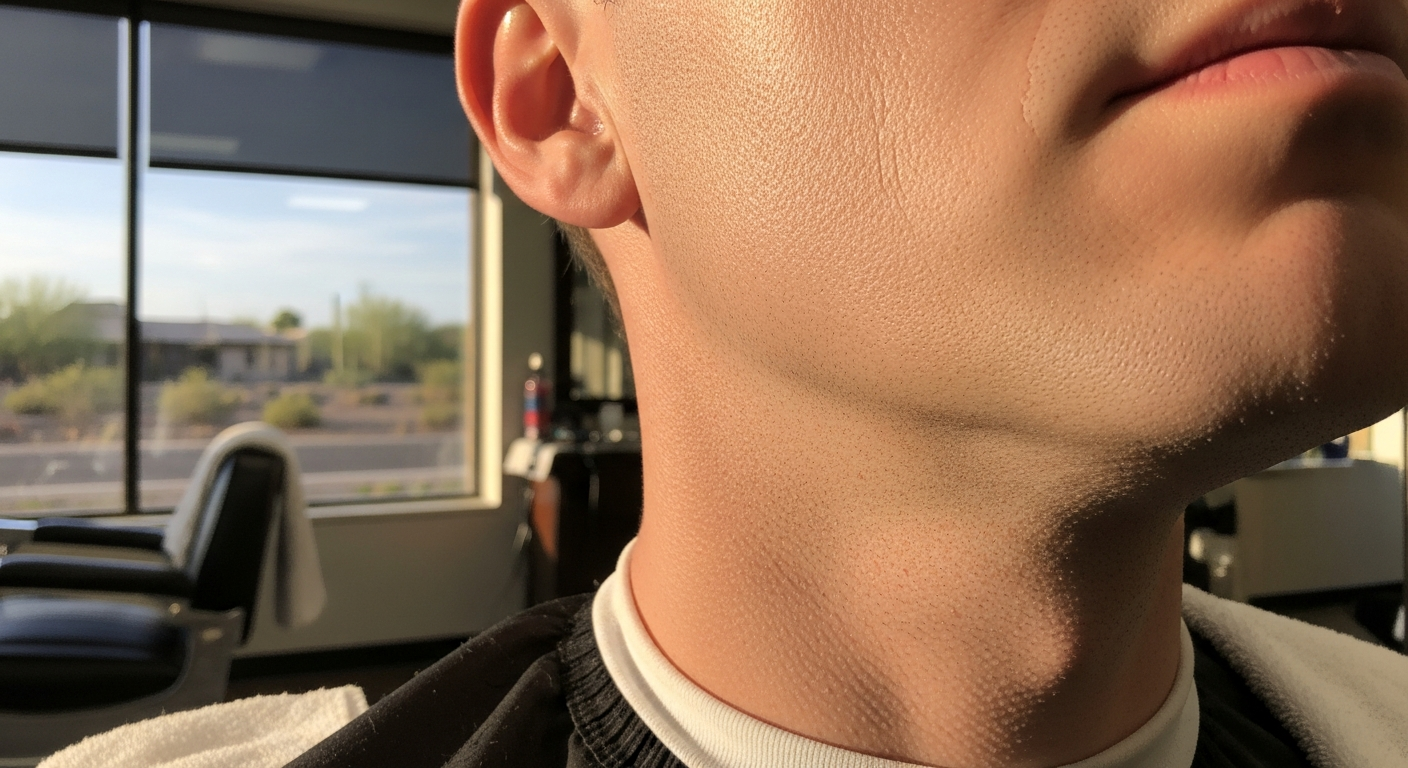
Razor bumps are not inevitable. Here is how to stop them before they start with the right prep, technique, and aftercare.
Razor bumps happen when freshly cut hairs curl back into the skin, causing inflammation, redness, and sometimes infection. They are not a sign that you have sensitive skin or that you are using the wrong razor. They are almost always a sign that your prep, technique, or aftercare is wrong. Fix those three things and razor bumps become a non-issue.
Why Razor Bumps Actually Happen
When you shave, the blade cuts the hair at an angle, creating a sharp tip. If that sharp tip curves back toward the skin as it grows, it can pierce the surface and re-enter the skin. Your body treats this like a foreign object and launches an inflammatory response. The result is a red, swollen bump that can become infected with bacteria.
Three factors make this more likely. Dry skin creates friction between the blade and your face, causing the hair to be pulled before it is cut. This lifts the hair above the surface, and when it snaps back, it retracts below skin level. Shaving against the grain compounds this problem. And lack of moisture after shaving leaves the freshly cut skin vulnerable to bacterial infection.
Pre-Shave Prep That Actually Matters
Warm water is your best friend. Shave during or immediately after a warm shower when your pores are open and your hair is softened. The warm water hydrates the hair shaft, making it easier to cut cleanly rather than tear or pull.
Clean skin is essential. Bacteria on the skin surface can enter the micro-abrasions that shaving creates. Wash your face with a gentle cleanser before shaving, not just water. This removes the oils, dead skin cells, and bacteria that contribute to post-shave infection.
Gentle exfoliation once or twice a week helps prevent ingrown hairs by clearing away dead skin cells that trap growing hairs beneath the surface. A simple scrub or washcloth in circular motions is enough. Do not exfoliate immediately before shaving, as this can irritate the skin.
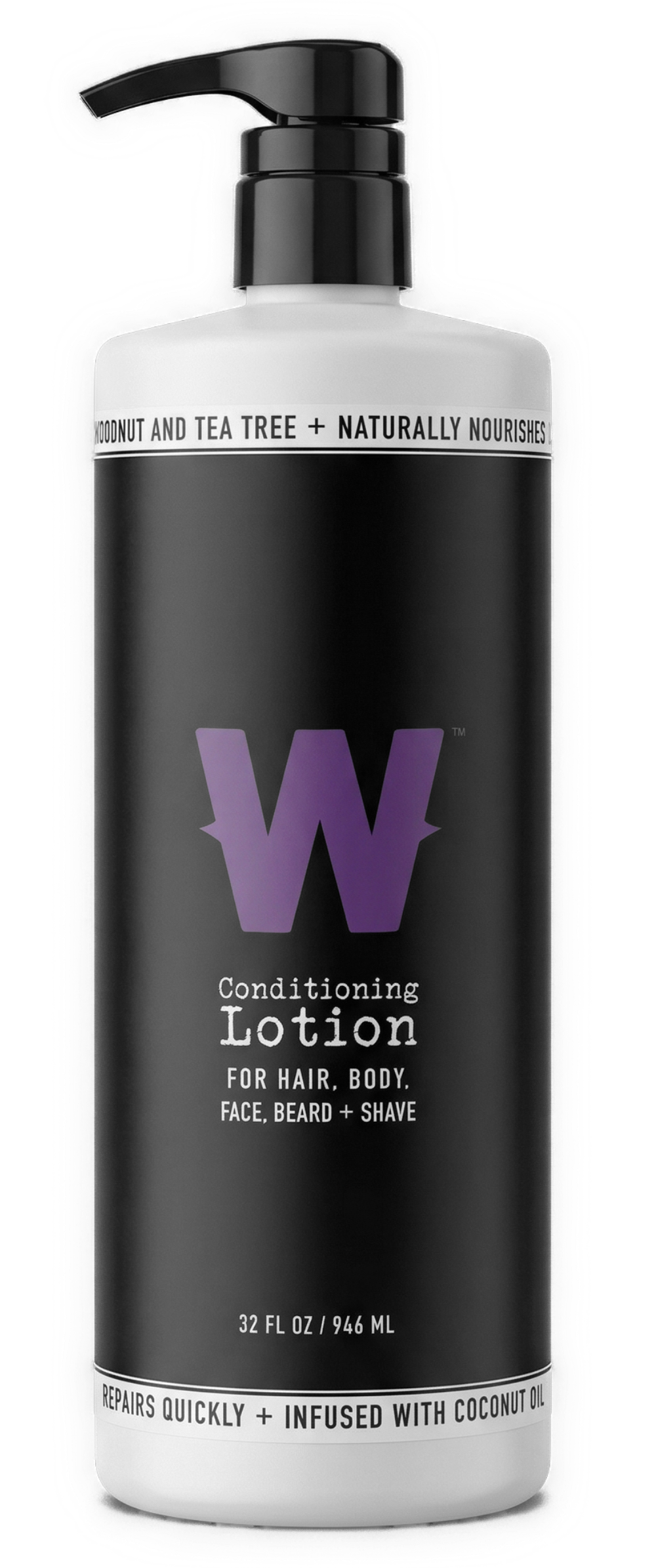
Hair, body, face, beard, and shave. One bottle replaces them all.
Rethink Your Shaving Barrier
Traditional shaving foam is one of the biggest contributors to razor bumps. Most foams contain alcohol, menthol, and artificial fragrances that dry out the skin and cause irritation. The thick lather also obscures your view of the hair, making it harder to shave with precision and more likely to go over the same area multiple times.
A thin, transparent moisturizing barrier is far more effective. Apply a lightweight, water-based lotion to the area you plan to shave. Do not rub it in. Let it sit on the surface as a slick layer. This allows the razor to glide smoothly while you can still see exactly where you are shaving. The transparency means fewer passes, which means less irritation.
Technique: Shave With the Grain
Shaving against the grain gives a closer shave, but it also dramatically increases the chance of razor bumps. The blade lifts and cuts the hair below the skin surface, setting it up to grow back into the skin.
Shave with the grain. For most people, this means downward strokes on the cheeks and neck, though hair growth patterns vary. Use short, light strokes and let the razor do the work. Do not press hard. Rinse the blade after every two or three strokes to prevent hair and product buildup on the blades.
Use a sharp blade. A dull blade tugs and pulls instead of cutting cleanly. If you use a multi-blade razor, change the cartridge at least every five to seven shaves. If you use a safety razor, replace the blade every three to five shaves.
Post-Shave Care: The Step Most People Skip
What you do immediately after shaving determines whether you get razor bumps. Rinse with cool water to close your pores. Then apply a soothing, antibacterial treatment immediately.
Tea tree oil is particularly effective here. Its natural antibacterial and anti-inflammatory properties help prevent the bacterial infection that causes bumps while calming any redness or irritation. Avoid products with alcohol, which burns and dries out the skin, creating exactly the conditions that lead to bumps.
The ideal post-shave product is one that moisturizes and disinfects simultaneously. A conditioning lotion with tea tree leaf oil does both. Apply it gently to the shaved area and let it absorb. It should leave your skin feeling cool, calm, and moisturized with a matte finish.
The best part? If you used a moisturizing barrier instead of foam for your shave, the leftover product on your skin already contains the antibacterial and soothing ingredients you need. Just massage it in after the shave. Pre-shave and post-shave in one step.
Frequently Asked Questions
Get Grooming Tips Delivered.
No spam. Just useful stuff.