The After-Shave Routine That Actually Calms Your Skin
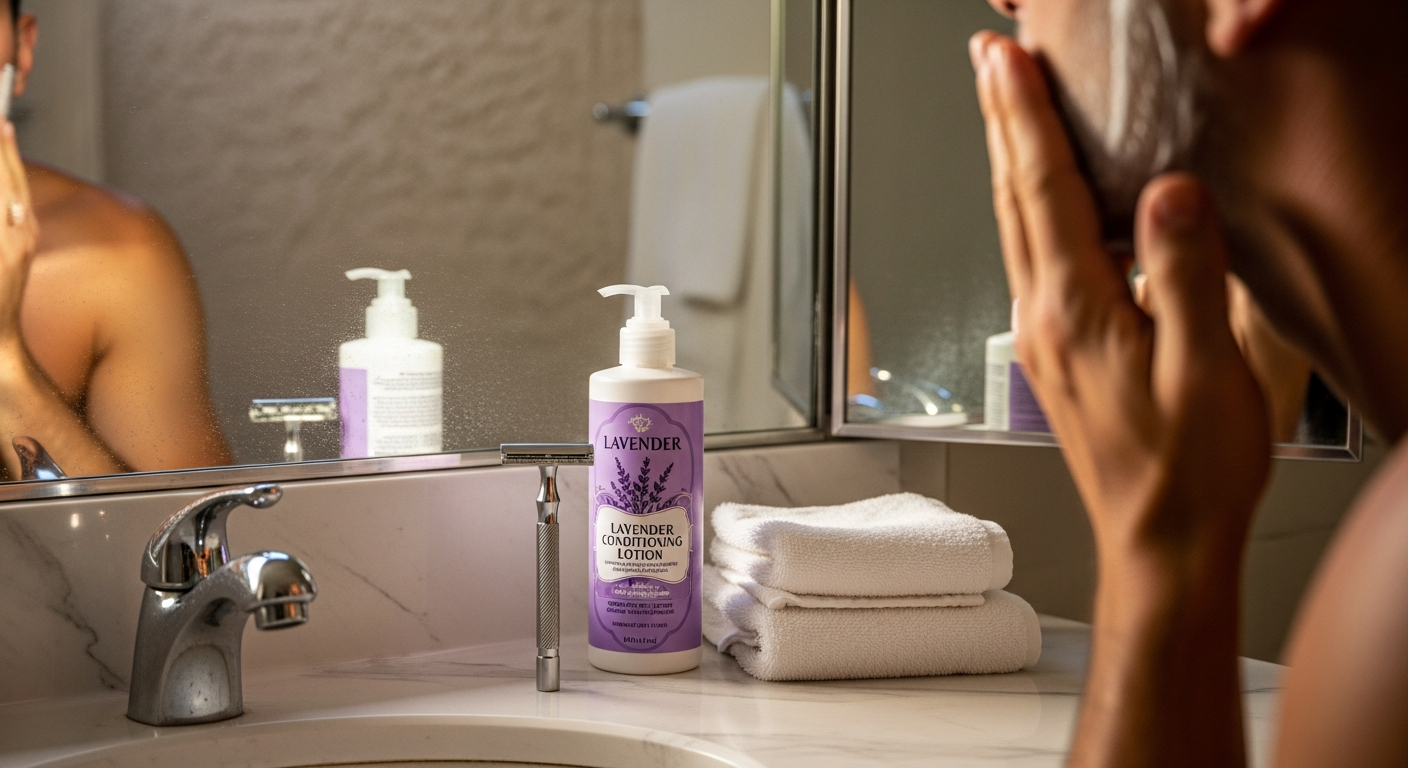
Aftershave splashes burn for a reason. Here is what to use instead and why a conditioning lotion does the job better.
The traditional aftershave splash is a holdover from a time when alcohol was the only available antiseptic. It served a purpose. It also burned, dried, and inflamed the very skin you just irritated with a blade. There are better options now, and the science is unambiguous.
What Shaving Actually Does to Your Skin
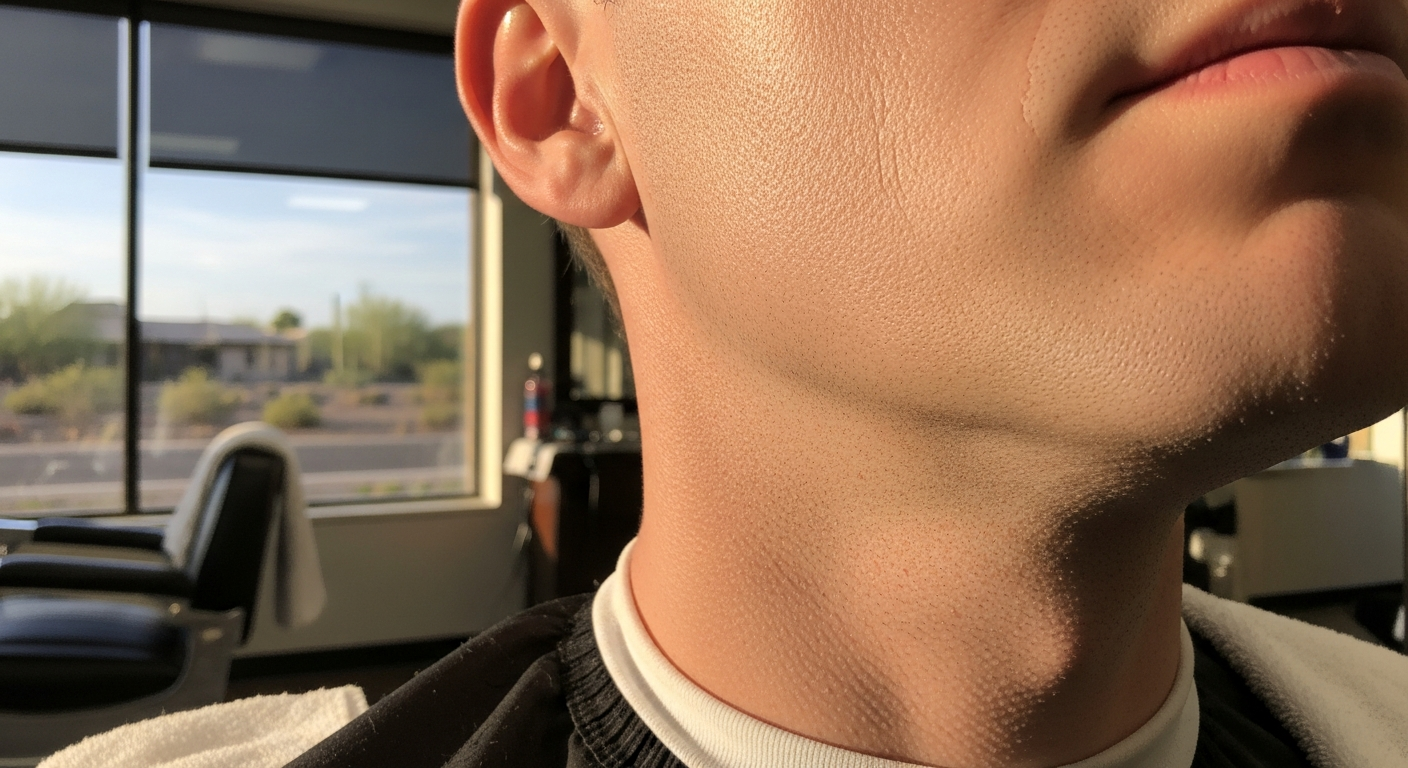
A razor blade does not just cut hair. It also removes the top layer of dead skin cells, exposes the freshly cut hair shaft to the open air, and creates microscopic abrasions across the entire shaved area. Your skin is now in a vulnerable state. The barrier is compromised. Bacteria can enter. Moisture is escaping faster than usual.
The job of an aftershave is to address those three problems. Restore the barrier, prevent infection, and lock in moisture. Alcohol does the second job, badly, while making the first and third worse.
Why Alcohol-Based Aftershaves Make Things Worse
Alcohol kills bacteria, which is why it stings. It also dissolves the skin's lipid barrier, which is the thin protective layer that keeps moisture in. Strip that barrier and your skin loses water rapidly, leading to the tight, dry feeling that follows a traditional aftershave.
Worse, the inflammation triggered by alcohol can make razor bumps and ingrown hairs more likely, not less. The redness you see after splashing on aftershave is your skin telling you it is under stress.
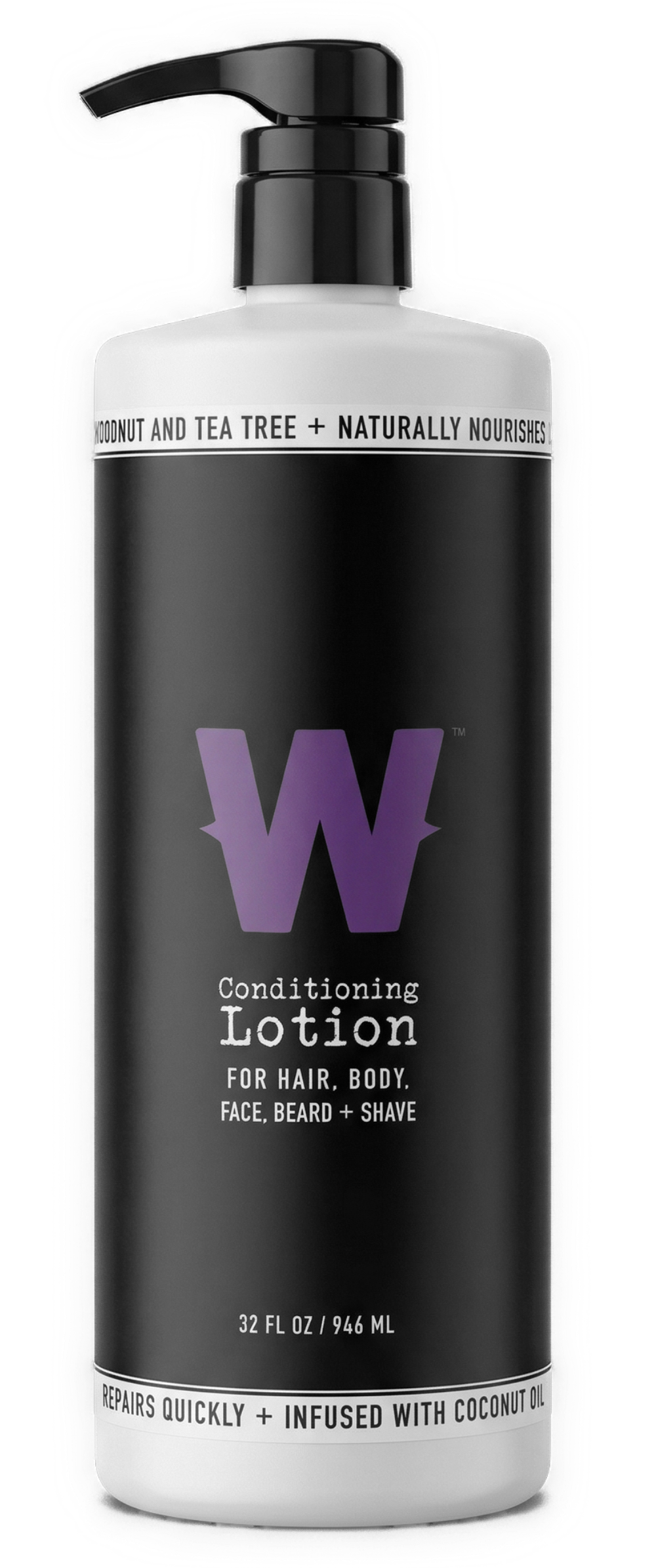
Hair, body, face, beard, and shave. One bottle replaces them all.
What Actually Works
An ideal post-shave product does three things. It provides natural antimicrobial protection without alcohol. It restores the lipid barrier with emollient ingredients. It delivers moisture that absorbs into the skin rather than sitting on top.
A conditioning lotion with coconut oil and tea tree oil hits all three. The tea tree oil provides antimicrobial protection without disrupting the skin barrier. The coconut oil restores the lipid layer that the razor stripped. The water base means the moisture absorbs in seconds rather than leaving a residue.
The Routine, Step by Step
Rinse your face with cool water immediately after shaving. Cool water closes pores and reduces inflammation. Do not use cold, just cool. Pat your face dry with a clean towel rather than rubbing.
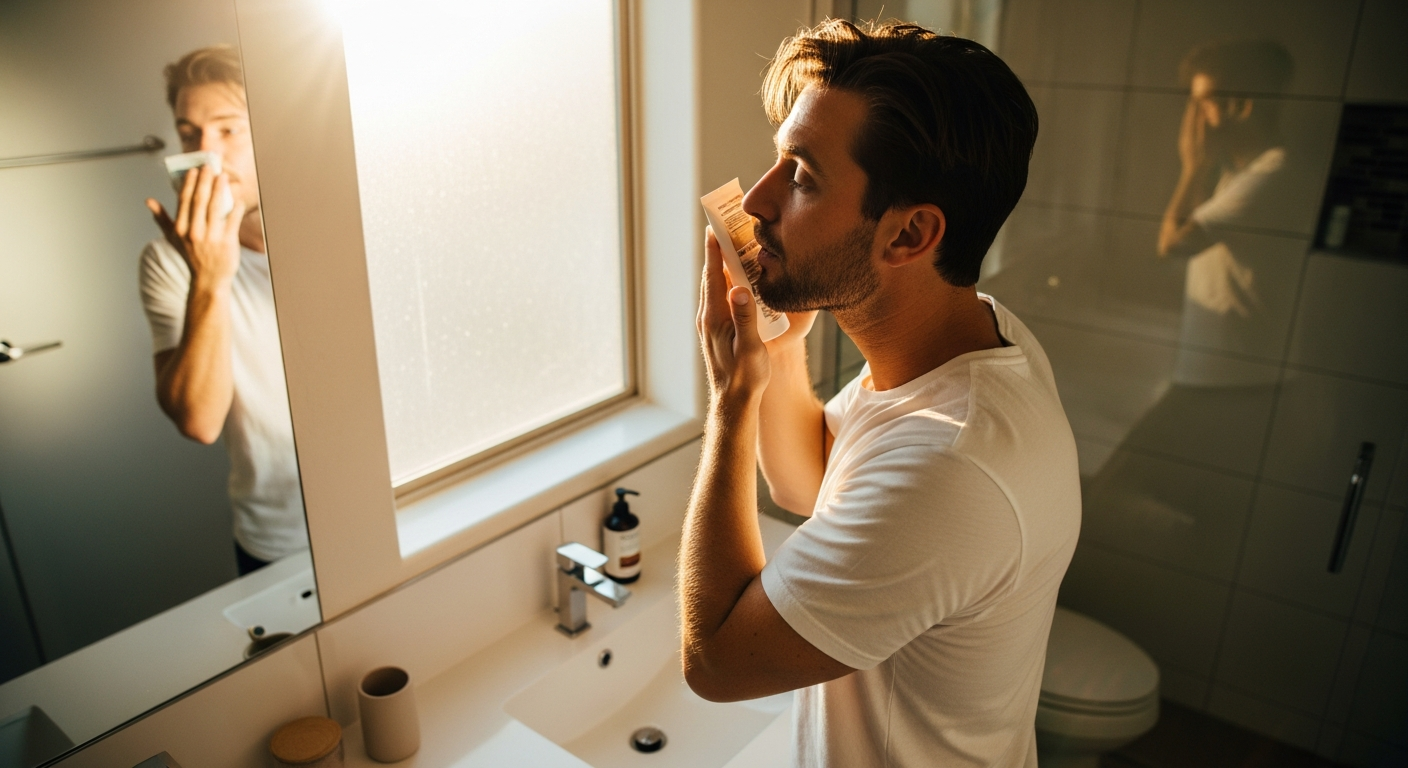
While your skin is still slightly damp, apply a quarter-sized amount of conditioning lotion to the shaved area. Massage in circular motions, paying extra attention to the neck and jawline where ingrowns are most common.
Wait sixty seconds. The lotion will absorb completely. There should be no residue, no shine, and no greasy feeling. If there is, you used too much.
How MUG Barbers Do It
At MUG salons, the post-shave step is one application of conditioning lotion. No splash, no toner, no separate balm. The Barbetology® training emphasizes minimum products applied correctly over maximum products applied in sequence. The result is calmer skin and faster appointments.
What to Skip
Skip the witch hazel toner if you are already using a conditioning lotion. Witch hazel is fine, but it is not necessary when you have a product handling antimicrobial protection in a moisturizing base. Skip the alcohol splash entirely. Skip the heavily fragranced aftershave balms that promise everything.
One product. One step. Done in under a minute.
Frequently Asked Questions
Get Grooming Tips Delivered.
No spam. Just useful stuff.